
Platform
Conditionally active precision oncology therapeutics
9Bio’s approach focuses on re-engineering validated protein frameworks rather than de novo discovery. By modifying existing antibodies and biologics, we introduce new binding profiles and functional properties and functions while preserving developability and reducing technical risk.
Our platform, Ninera™, is a computational protein engineering platform that integrates structural modeling, molecular dynamics, and in silico developability assessment to precisely control protein–protein interactions.
Ninera™ is built around three independent but complementary engines.
Ninera™ Discovery
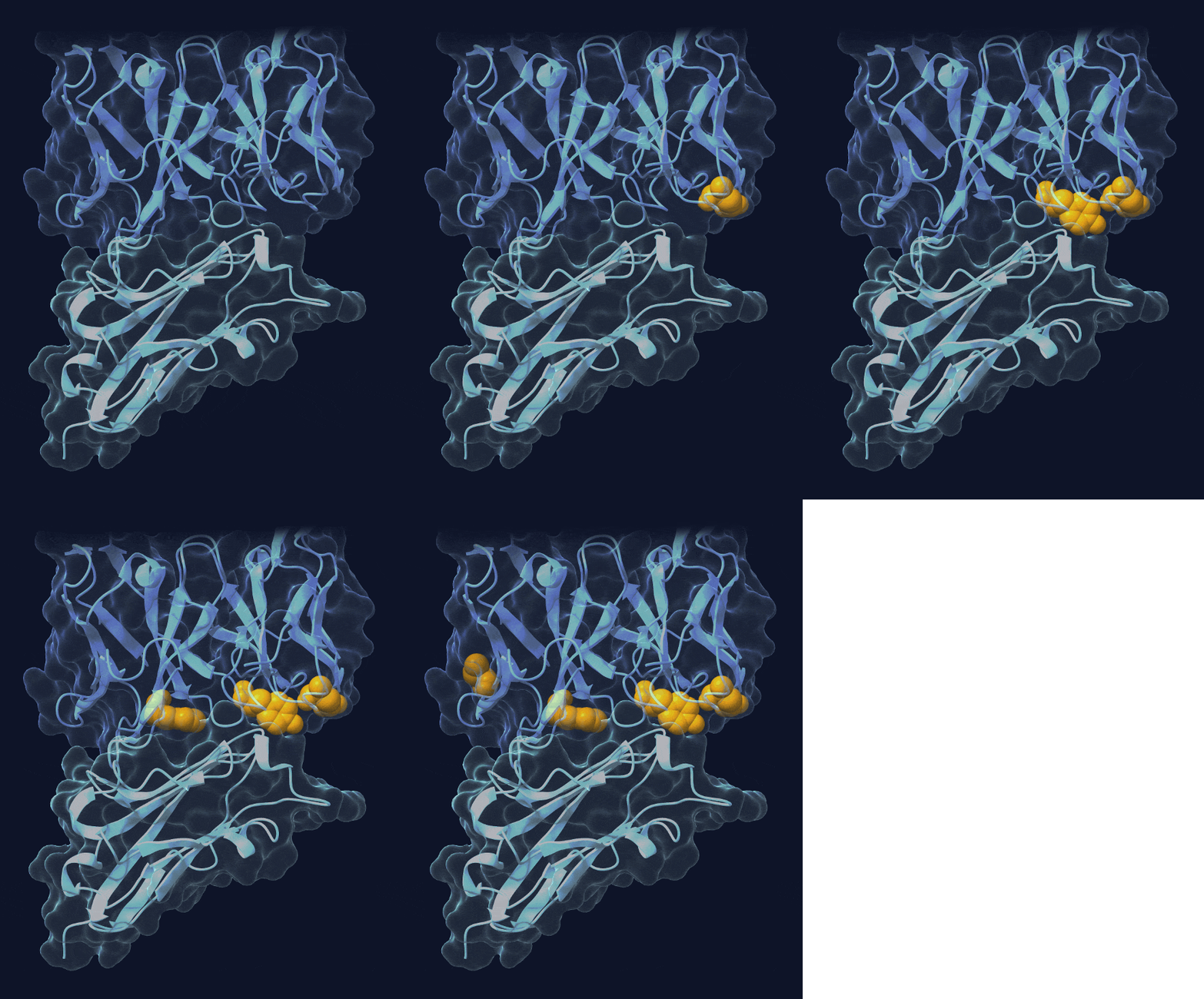
Testing better protein designs digitally
Models many possible changes to an existing antibody or protein to find variants with improved performance reducing experimental iteration and helping to de-risk candidate selection earlier in development.
Ninera™ Dynamics
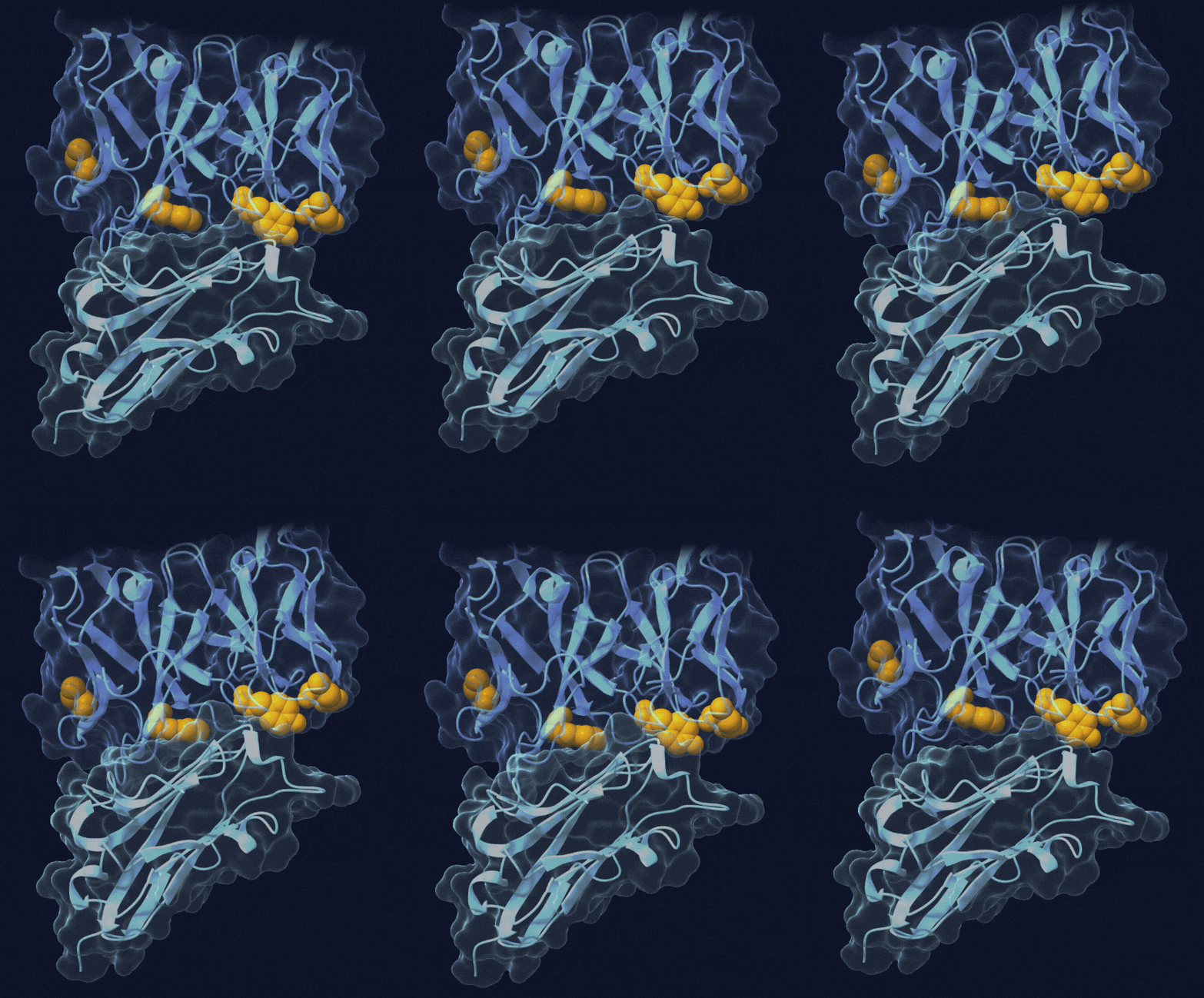
Understanding how binding really happens
Reveals how a biologic interacts with its target over time, enabling more efficient prioritization of candidates and focusing development resources on molecules with more stable, specific, and disease-selective bindings.
Ninera™ Glycans (in development)
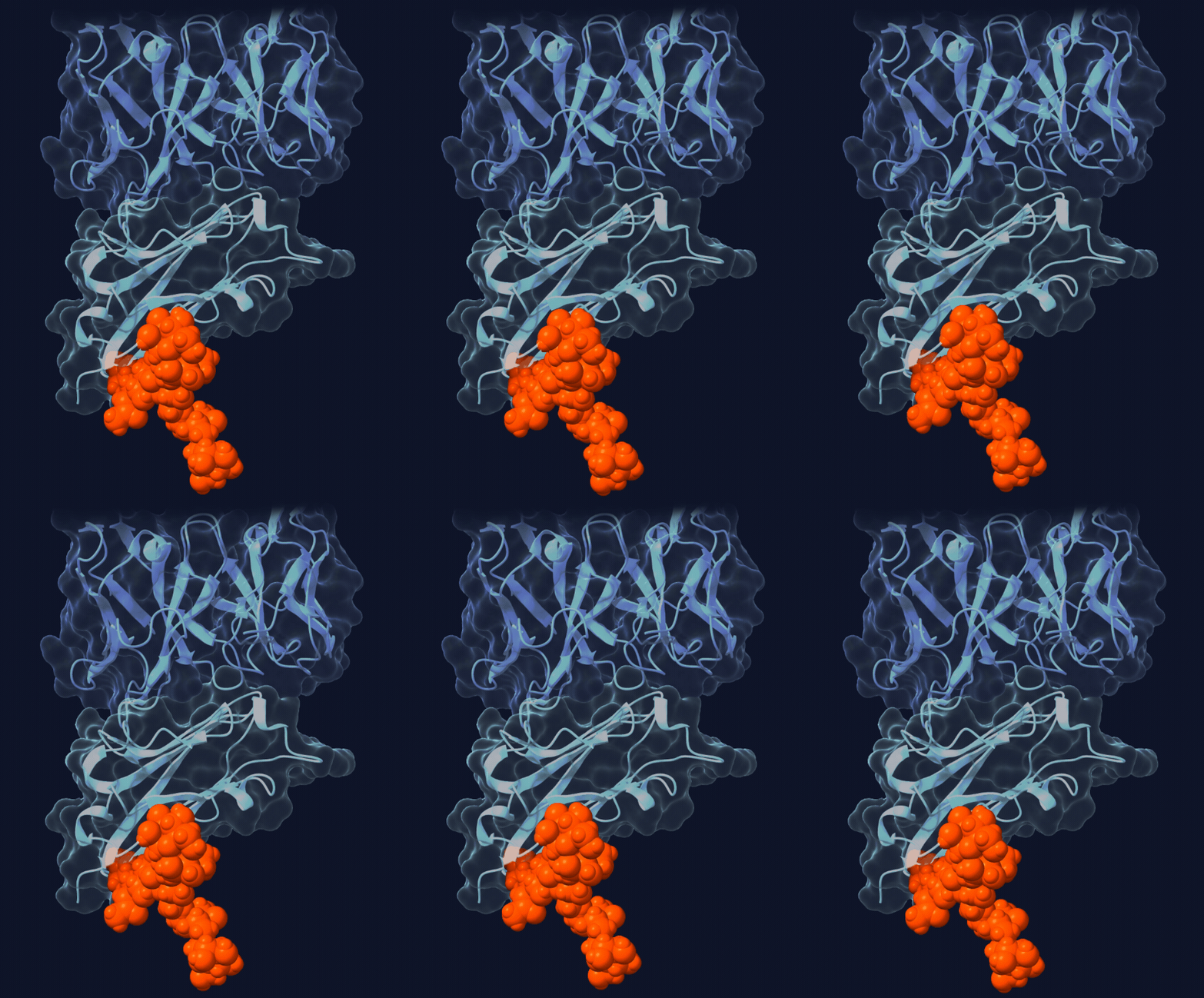
Designing with glycans in mind
Explores how glycans shape protein behavior, enabling more informed design of glycosylated therapeutics and opening new opportunities to tune efficacy, stability, and selectivity than would be possible without considering glycosylation.
Additional Capabilities
Antibody discovery
Complementary discovery approaches, including immunization and phage and yeast display.
Protein production and purification
Small-scale expression, purification, and preparation of antibody and protein candidates for downstream testing.
Antibody engineering
Sequence and structure-based humanization, CDR optimization, bispecific and multispecific antibody engineering, and custom antibody fusion proteins.
Candidate characterization
Binding, kinetics, epitope binning, developability, purity, stability, and cell-based functional assessment.